
Digital transformation used to mean moving paper processes online. Now it means deciding which of your already-digital processes should have an AI layer added, and which are fine as they are.
Not everything needs transforming
A well-run spreadsheet process that takes ten minutes a week doesn’t need an AI overhaul. Transformation spending should follow pain, not novelty. The question isn’t “could AI touch this,” it’s “does the current process actually hurt.”
Where transformation pays off fastest
Customer-facing processes with high volume (support tickets, onboarding forms, FAQ handling) and internal processes with heavy manual review (compliance checks, document processing) tend to show the clearest ROI, because the baseline cost of doing them manually is already high and visible.
The change management problem nobody plans for
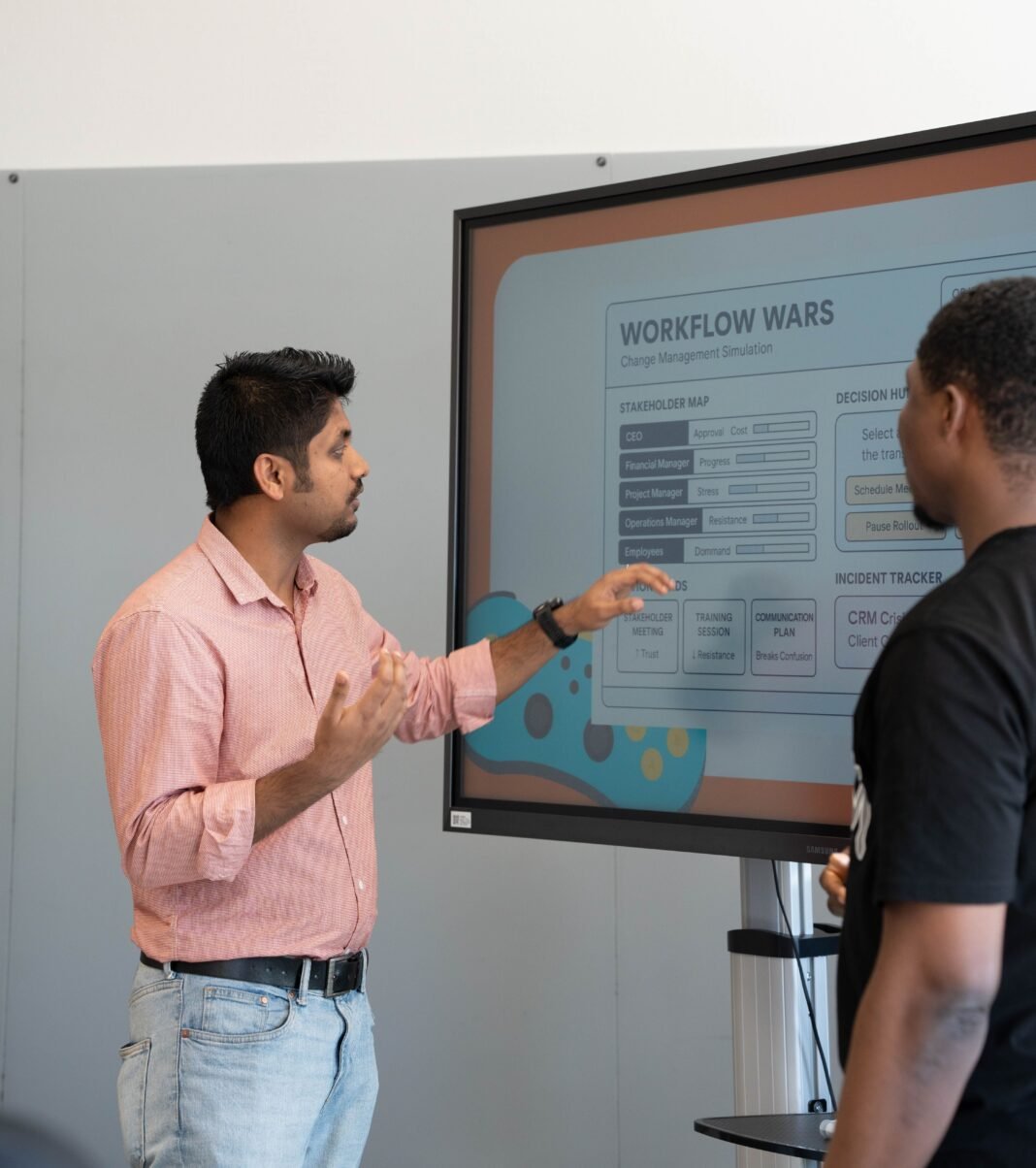
The technical part of digital transformation is usually easier than getting a team to actually adopt the new process. Tools like ChatGPT and Claude for internal documentation, or Notion AI for centralizing scattered knowledge, only help if people actually use them instead of falling back to old habits.
- Pilot with the team members most frustrated by the current process, they’ll adopt fastest and advocate for others.
- Keep the old process available for 30 days as a safety net, then retire it.
- Measure adoption rate, not just capability, a powerful tool nobody uses delivers zero value.
Real transformation is slow and unglamorous. It’s a hundred small process fixes, not one big AI announcement.
A realistic view of the digital transformation timeline
Most vendors sell digital transformation as a single project with a start and end date. A more realistic view treats it as an ongoing habit with a few distinct phases that overlap rather than following a straight line:
- Month 1: Audit current processes and pick the single highest-pain workflow. Resist the urge to tackle three departments at once.
- Months 2-3: Build and pilot the AI-assisted version with a small group, gathering real usage feedback, not just completion metrics.
- Months 4-6: Expand to the full team, retire the old process, and document what changed so new hires learn the new way by default.
- Ongoing: Repeat with the next highest-pain process. There is no finish line, only a shrinking list of unaddressed pain points.
Businesses expecting transformation in a single quarter usually declare victory too early, roll back under pressure, or burn out the team that was supposed to champion the change.
Big-bang rollout versus incremental transformation
There are two common approaches, and the incremental one wins more often than leadership expects. A big-bang rollout replaces an entire system or process company-wide on a single date. It looks decisive, but it also means every problem surfaces simultaneously, with no fallback while the team relearns how to work. An incremental approach, one team or one workflow at a time, surfaces problems in a contained way and lets you fix the process before it touches everyone. The tradeoff is speed: incremental transformation takes longer to reach full coverage, but it rarely requires the emergency rollback that big-bang attempts sometimes do.
Common mistakes in digital transformation projects
- Confusing a new tool with a new process. Installing Notion AI without changing how the team actually documents work just adds a second place information goes to die.
- No executive follow-through after launch week. Adoption tends to fall off within a month unless someone keeps checking whether the new process is actually being used.
- Skipping the people who’ll be most affected. Decisions made without input from the team doing the work daily tend to miss the actual friction points.
A short example of what this looks like in practice
Picture a regional insurance broker whose document intake process takes an admin roughly two hours a day: opening emailed PDFs, checking them against a coverage checklist, and typing the results into a spreadsheet. Leadership initially wants a full platform migration, new CRM, new document system, everything at once. Instead, they take a realistic view of digital transformation and start with just the intake step: incoming documents route through Claude for a first-pass checklist match, flagged exceptions go to the admin, everything else moves forward automatically. The two-hour daily task drops to about 25 minutes of review. No other system changes. Six months later, that same admin becomes the internal champion helping roll the same approach out to claims processing, because she saw it work firsthand rather than being told it would.
FAQ
What does a realistic view of digital transformation actually look like month to month?
Small, visible wins on one process at a time, not a company-wide relaunch. If a plan promises transformation everywhere within 90 days, that’s a red flag, not ambition.
How do we keep momentum after the initial pilot?
Publicize the pilot team’s time savings internally, and let their results (not a mandate from leadership) pull the next team in voluntarily.
What’s the biggest sign a transformation effort is stalling?
Usage numbers flatten or drop while the tool subscription keeps renewing. That’s the moment to revisit adoption, not add another feature.
Part of our AI business strategy playbook.